
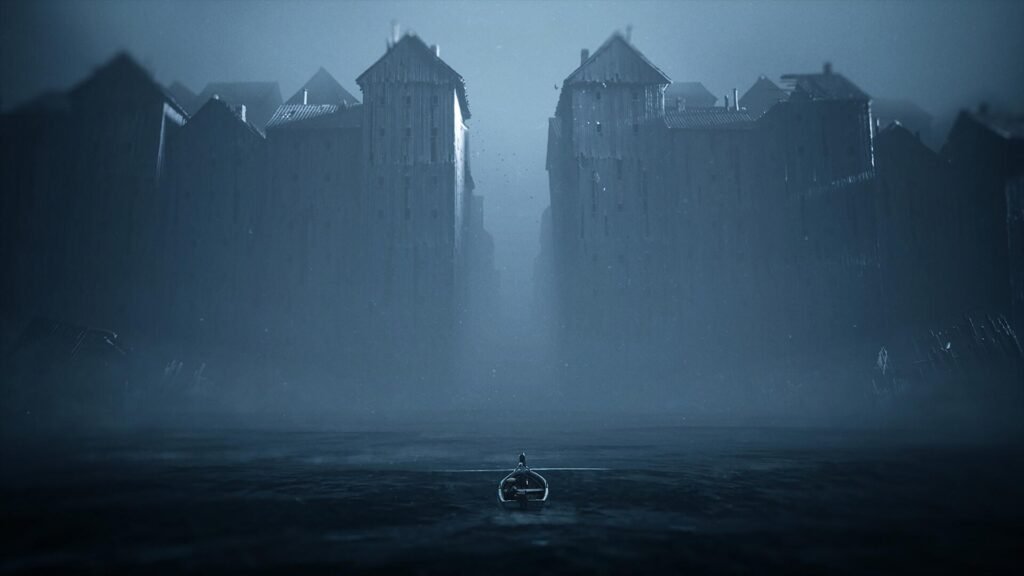
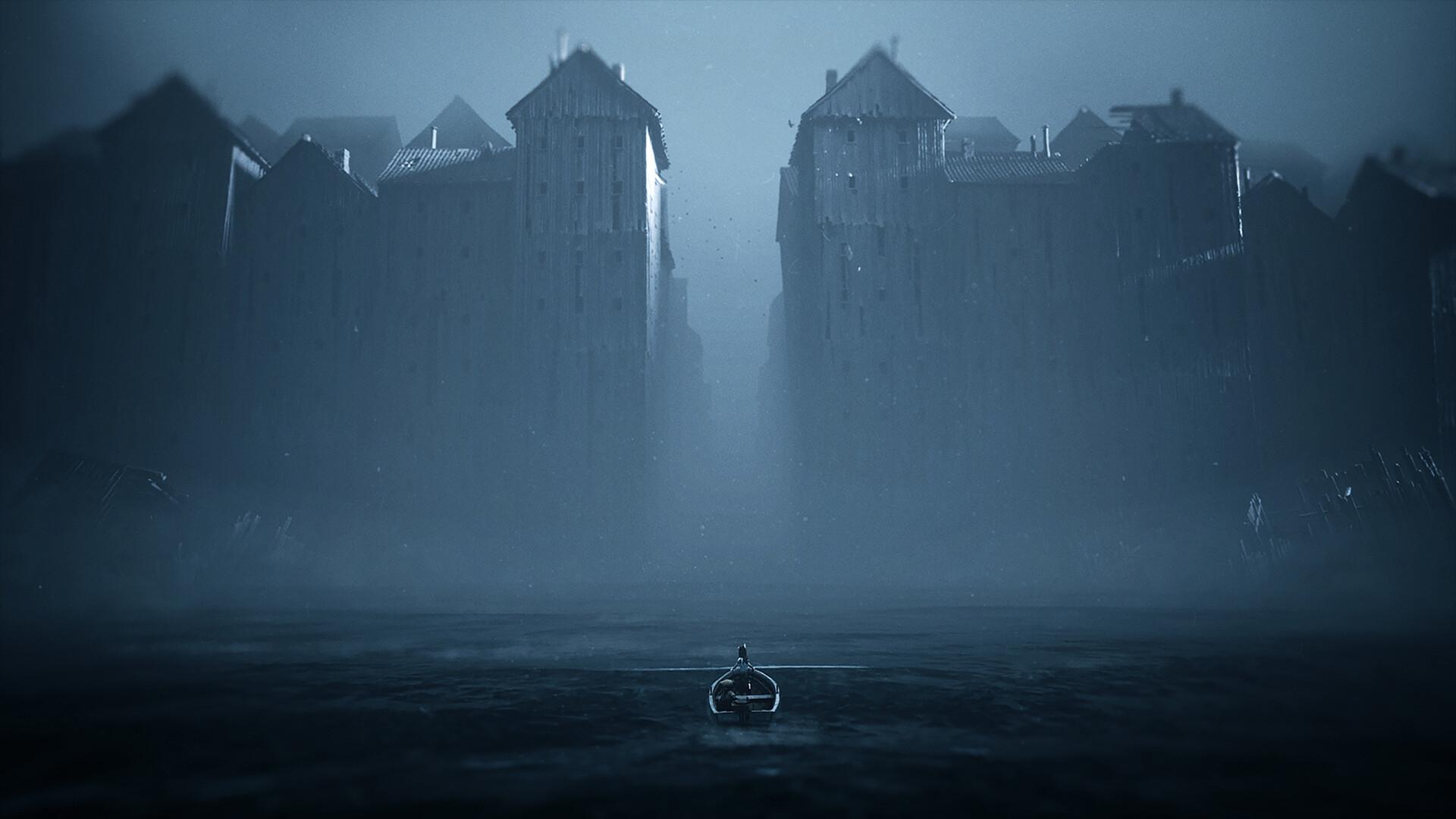
After developing Little Nightmares (I) & II, Tarsier Studios decided to roll the dice and dare to make the challenging leap to… an M-rated Little Nightmares with a new name. Teasing aside, REANIMAL does stick to a familiar script: a young boy/girl duo trapped within a fantastical world of incredible size, dour atmosphere, minimal UI template, and so on and so forth. After briefly boating across the water whilst following a trail of buoys, hoisting his sister up after nearly drowning, and getting into a brief scuffle, one of its first key distinctions is revealed: “I thought you were dead.” Terse as the dialogue may be, it subtly differentiates itself from the familiar muted protagonists.
The siblings’ unassuming mood also portends that they’re almost intuitively familiar with this place, rather than being strangers in a strange land. The inciting action for them is finding their three other friends who are trapped elsewhere. Like Tarsier’s previous work, deliberately-slim plot details are part and parcel for this clade of ‘atmospheric platformers’ (if you will), so as to compel you to unearth its enigmatic answers. That tantalizing hook to learn more through its visual storytelling, collectibles, and so on.
You’ll likely know how this goes: navigating through this darkened world requires a blend of 3D platforming, stealth, and puzzle-solving to progress. The biggest difference is how the world is opened up. Chapters vacillate between a more level- or hub-oriented design, where certain areas branch out and loop around, with small detours sprinkled in between; just enough open space without committing to an open world. It presents you with a level of trust to explore at your own pace whilst underlining the golden path. From a more motivated camera to a discreet UI template, Tarsier’s understanding of film language ensures this subtler approach is even possible.
Problems arise when those cinematic interests interrupt player engagement. Of course, it’s quite common for these games to revel in player fail states now and then; whether from Tarsier, Playdead, or whomever else, there’s something tangibly exciting in its grotesque violence; not only do these detailed macabre animations make for evocative imagery, they also serve to emphasize the unflinching severity from one bad decision. The problem is how certain mistakes feel so poorly-defined. Since there’s no clear indicator for a stalker’s visual & aural detection meters, it occasionally feels like a crapshoot to potentially recover and hide when they’re suspicious. Even with generous checkpoints, multiple resets can’t help but shift your focus towards the means of success versus the ensorcelling atmosphere it’s so carefully built up.
A similar fuzziness occasionally applies to platforming and path-finding. Rare moments of finding the proper ledge to boost your partner or hunting a particular object can get lost because of how much Tarsier wants to emphasize its enormous world. It’s like the dangers of toying with a new technology: by acting so enamored with all the – albeit impressive – detail that can be squeezed into a single frame, the player’s place gets lost. The same goes for a camera that can’t help but occasionally lose you in order to emulate yet another SteadyCam tracking shot. We’re here for a puzzle-platformer, not a concept art album. I’d argue that also partly informed why interactable items and ledges are indicated with a small UI icon, which I don’t remember being in Little Nightmares. A small quibble, sure, but it’s another minute thing that subtly trains you to scan for UI bubbles instead of naturally interfacing with its macabre beauty.
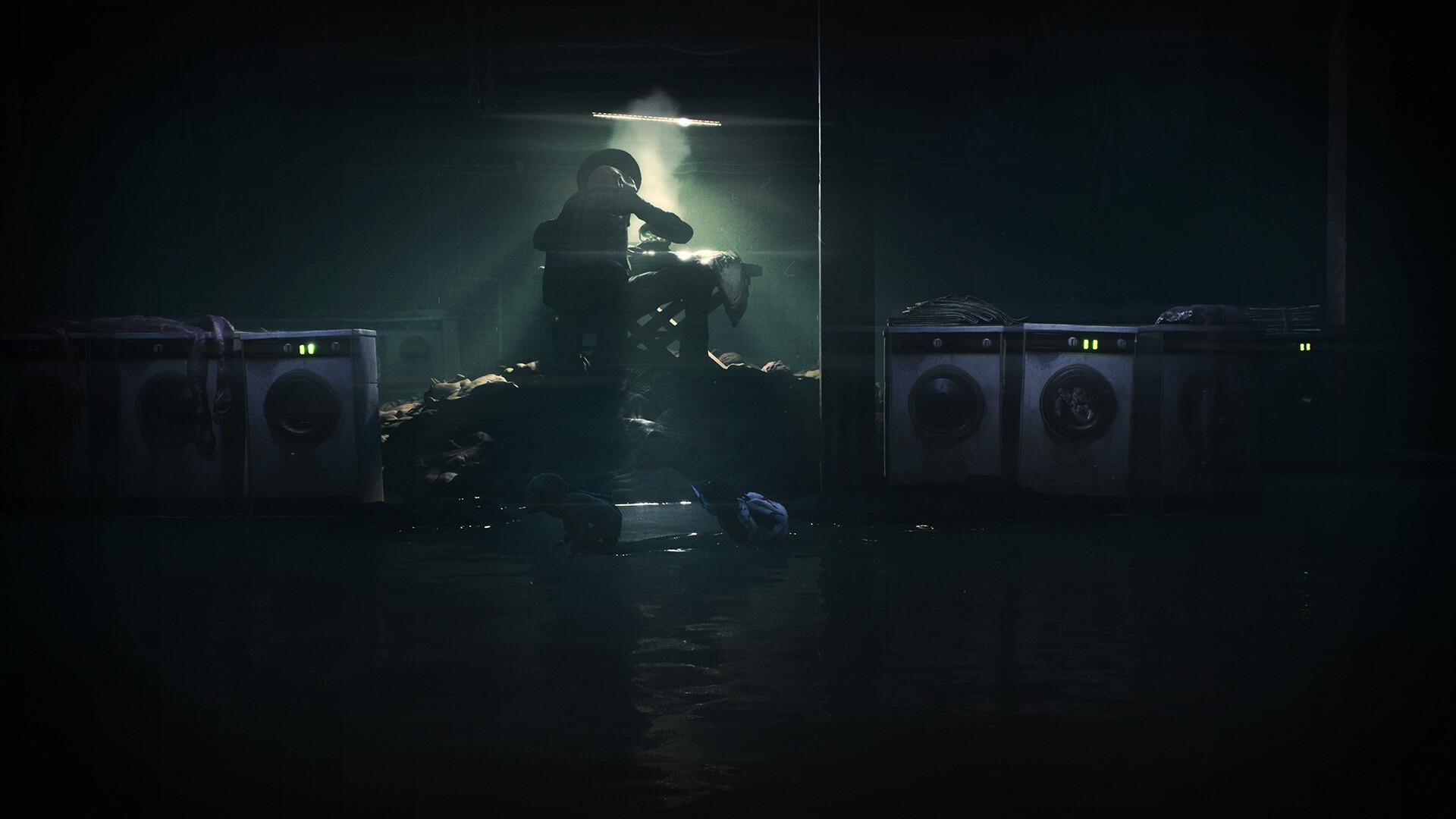
Even with such quibbles, said beauty remains a constant. Whereas Little Nightmares’ world evokes a horror lens to Honey I Shrunk the Kids, REANIMAL moves towards something more “grounded” and grotesque; several mid-20th-century vehicles and other inventions are roughly proportional to that of a kid’s size in our world, but with scores of concrete buildings roughly the height of skyscrapers. When not dealing with giant mutated monsters, odds are you’re navigating past hollowed-out skin suits or dust children, both of which reflect a terrible outcome from their environment.
Like the recently-released Little Nightmares III (developed by Supermassive Games), the second child can be controlled by another person instead of AI; think optional co-op (couch or online) instead of mandatory, a la Split Fiction. Plus, both pick up permanent weapons during the first chapter. There’s a danger to minimizing one’s vulnerability, especially given some combat is little more than Simon Says when you see the UI indicator, but their agency and alacrity reflect familiarity with this vicious world. At least sacrificing some measure of tension is made up for by comradery. While playing solo is perfectly valid – if slightly diminished by the AI’s foreknowledge of the correct branching path during chase scenes – there’s something extra when coordinating with a human partner. Both the set pieces of repetitively bungling a split-second decision or succeeding the first time add a layer of authenticity.
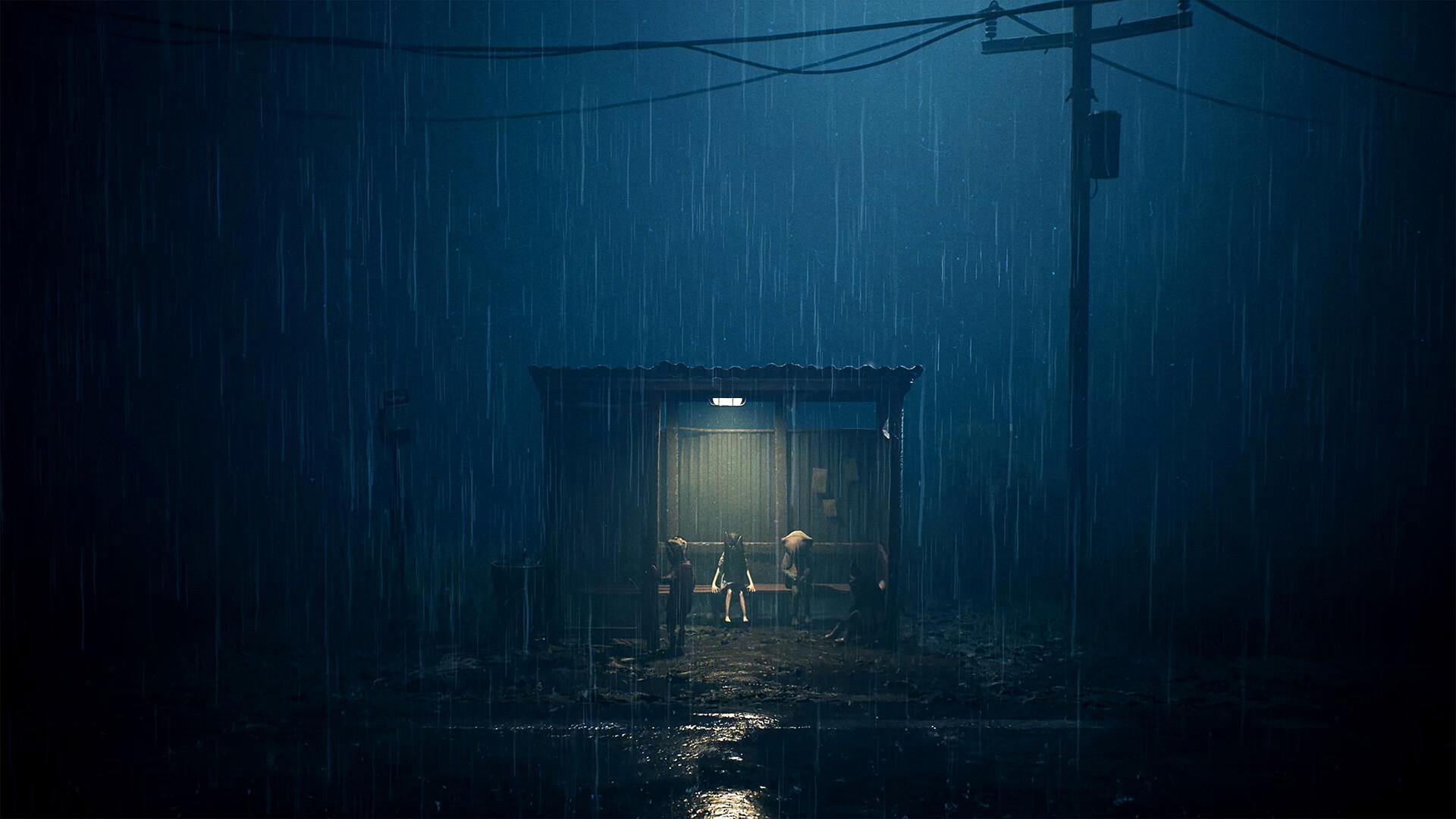
In terms of value, it reaches a tough impasse by retailing at $39.99 (standard), or $59.99 for a Deluxe Edition that includes extra cosmetics and a Season Pass ($24.99 when purchased separately). It may cross into the four-hour playing time threshold – which can vary if hunting for collectibles and/or its secret ending – but that’s only stretched out due to trial-and-error gameplay. Credit where it’s due: at least the Friend Pass is free. There’s also no denying the quantum leap in presentation. The way Per Bergman & Ole Josefsen’s grotesque art pops to life – from both its gargantuan scale to minute details – now ranks it among the prettiest horror games (though I think Scorn remains on top). The problem is less about judging whether or not the price tag is justified; rather, publishers like THQ Nordic ought to be more price-conscious so we can avoid this discussion altogether.
Like its many horrifying creatures, REANIMAL feels both gargantuan and wobbly. It wouldn’t be ridiculous to claim Tarsier currently holds the presentation crown for this particular type of atmospheric puzzle-platformer. But in its quest to reach those empyrean heights, certain fundamentals were occasionally discarded. Some may say certain faults are endemic for these types of games, but that would discount even some of Tarsier’s previous work as well. Its pursuit of branching away from the past reaches something of a mixed conclusion – though appreciated all the same.
Contractor by trade and writer by hobby, Lee’s obnoxious criticisms have found a way to be featured across several gaming sites: N4G, VGChartz, Gaming Nexus, DarkStation, TechRaptor, and Cubed3! He started gaming in the mid-90s and has had the privilege in playing many games across a plethora of platforms. Reader warning: each click given to his articles only helps to inflate his Texas-sized ego. Proceed with caution.
Full Article – https://www.vgchartz.com/article/467297/reanimal-xs/