
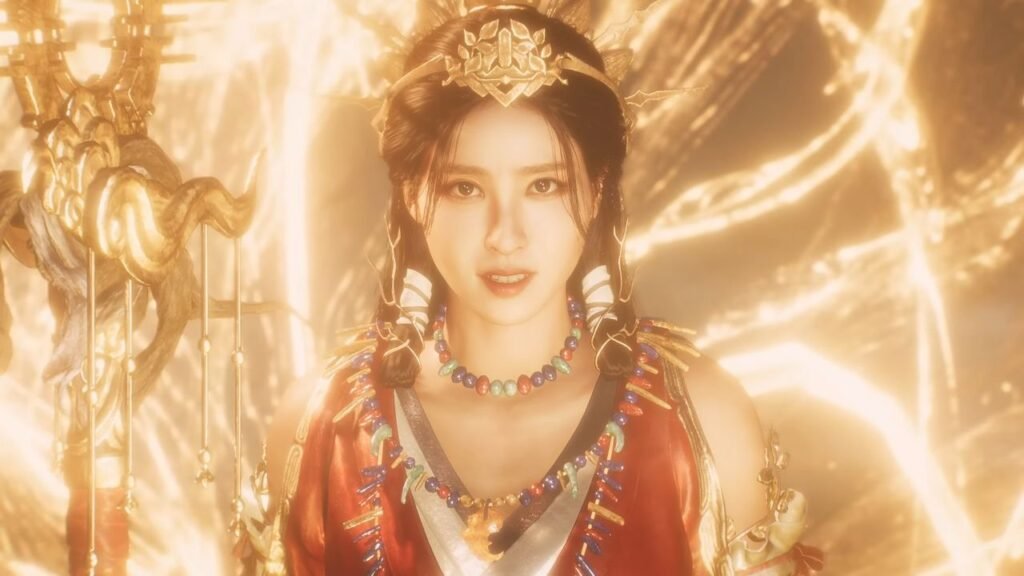
Nioh 3, a samurai action RPG about fighting demons in fantasy Japan, is one of the most Japanese games you’ll ever play – a bag of historical fiction steeped in folklore and expressed through art styles spanning centuries. (It’s also quite good, per our Nioh 3 review.) Two of its lead creators, producer Kohei Shibata and Team Ninja studio head Fumihiko Yasuda, examine its Japanese DNA in an interview with GamesRadar+, and tackle a question that more game developers working in Japan have publicly confronted recently: should Japanese games double down on what makes them unique, or more strongly pursue global appeal and trends?
I asked Shibata and Yasuda what, in their eyes, distinguishes games made in Japan, what defines Nioh, and how they feel Japanese developers should balance domestic and global influences. Our heroic interpreter had a lot to relay.
“With the Nioh series, there is that historical and yokai element of the game,” Yasuda begins. “It is a Japanese-style fantasy game as well. I think we do have those Japanese-like elements in it, and that’s what we wanted to incorporate when we wanted to make this game. To look at Nioh as being a very Japanese flavor is something that we think is very good, because that is something that we specifically targeted for this game.”
Looking at Japanese games more broadly, Yasuda focuses on two elements. “The first has to do with the artistic direction,” he explains. “I think from Japanese history, we have the ukiyo-e art, which is sort of a deformed way that people have been portrayed. Compared to traditional Western art, it’s something that is very unique. And within the game as well, you do travel through various time periods, from the Warring States to various other areas. So we do incorporate that look, representative of those various eras of Japanese history.”
Yokai art scrolls had a similar impact on the style of Nioh 3. Yasuda tips his hat to manga artist, folklorist, and illustrator Shigeru Mizuki, whose depictions of yokai were a great inspiration. “That artistic worldview is something that makes this game very Japanese-like,” Yasuda reiterates.
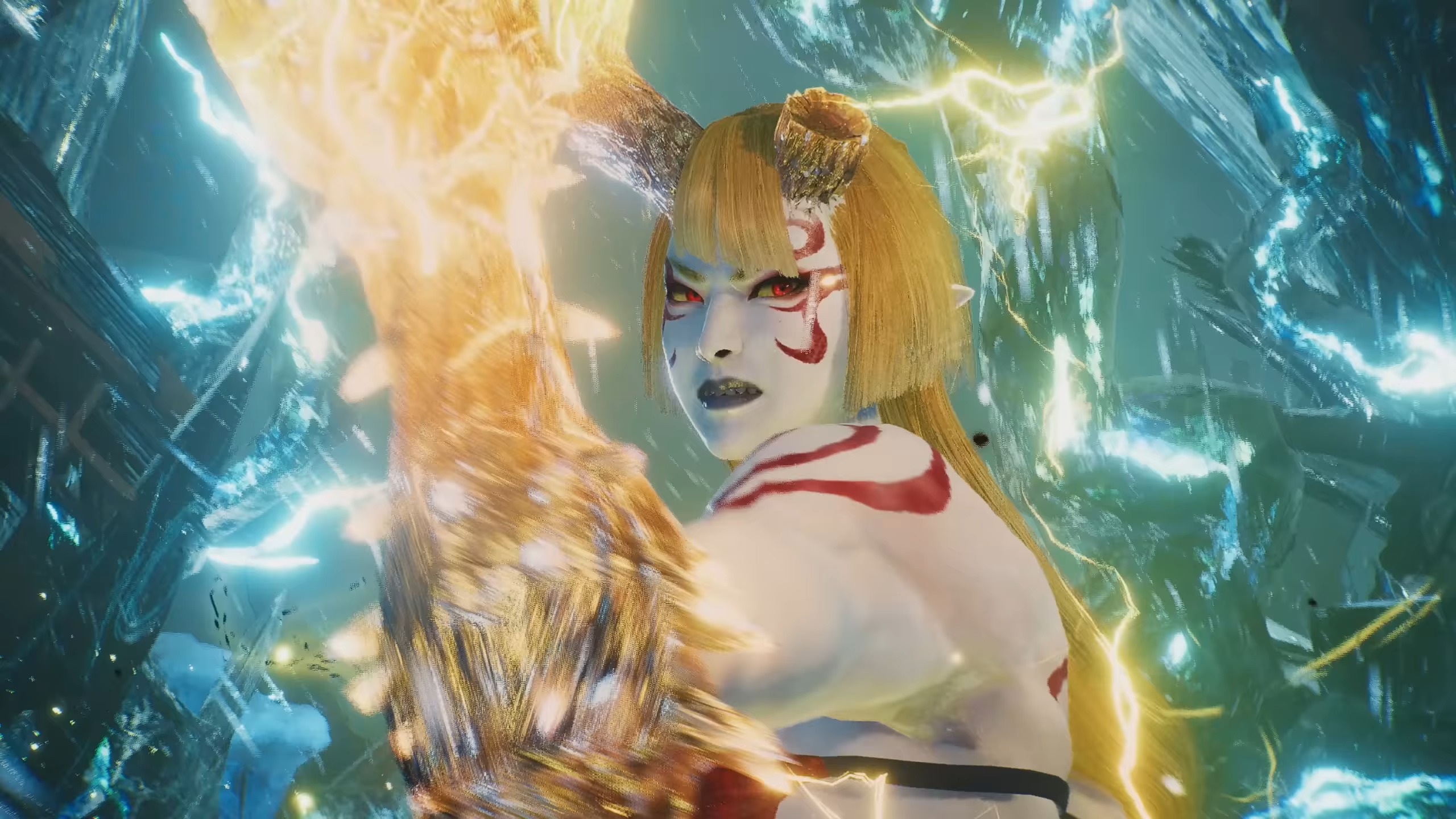
There’s something else, too; something harder to define, perhaps. Yasuda describes a Japanese way of making games, of approaching systems and elements in a particular way. “There’s a lot of precision to the way that we have created it,” he says. “I think that’s something that, there are some similar elements with Western-developed games, but I think there’s a bit of a Japanese way that that is done that we can see Japanese developers, ourselves included, [use] to make the system.”
Yasuda says this “Japanese-like way” is “hard to describe,” but it’s not unique to Team Ninja and it has been prevalent across the Nioh series. “I think that very brutal and systematic element of the game is something that we have clearly defined, and we’ve been able to realize that in the game,” he says.
Shibata weighs Japanese and global approaches to steering games. “With us being in Japan, knowing the Japanese culture, I think we do have our own unique way of expressing things, being able to incorporate that into games,” he says. “I think that is a characteristic that we can use as one of our strengths. But not looking at global, Western games, and not incorporating any of that and just sticking completely to just Japanese, is a little bit different.
“What it comes down to is: is it fun to play the game?” he continues. “That’s what it comes to. It doesn’t matter where, culturally, it comes from. That enjoyability aspect of the game is key. And we also like Western games. We are Japanese developers, but we also play games from various developers around the world. When we see games from the West tap into a lot of these aspects that we find fun to play, we are obviously influenced by that. We would like to find things that we find fun, that we would like to incorporate into our games as well.”
In other words, “I think just sticking with that Japanese style isn’t good,” Shibata concludes. “But not being able to have our own uniqueness is not good as well. So it’s really taking that balance of being able to portray what we find as our strengths, but also incorporating what, from other sources, would make a game exciting and very enjoyable to play.”